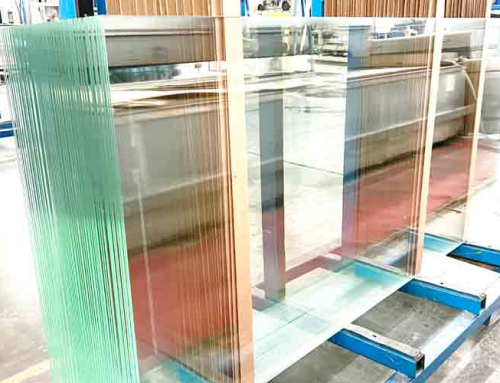

Tempered glass is a type of safety glass that undergoes a thermal process to increase its strength. However, due to rapid cooling during manufacturing, internal stress patterns can form, creating visible distortions known as “stress marks” or “quench marks.” These marks appear as uneven, wavy, or spot-like patterns when viewed under polarized light or certain angles.
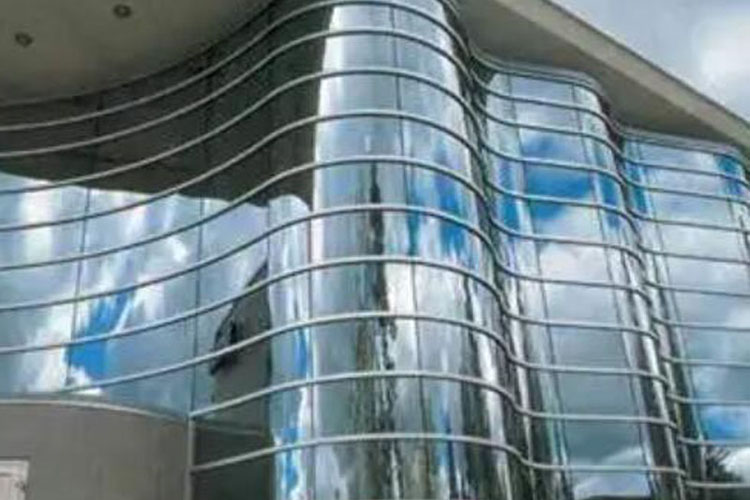
Stress marks are not defects but rather a natural result of the tempering process. They occur because different parts of the glass cool at different rates, creating internal tension. While they do not affect the glass’s strength or safety, they can sometimes be noticeable under specific lighting conditions, such as sunlight or LED lighting.
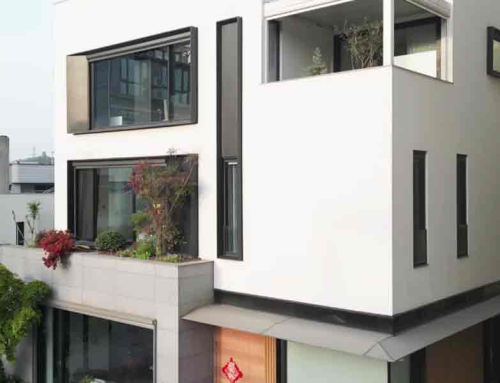
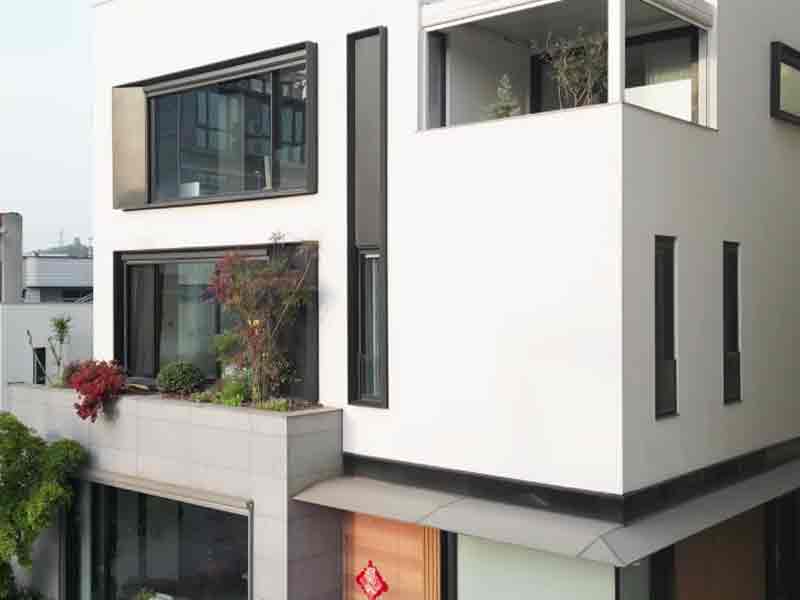
To minimize stress marks, manufacturers carefully control heating and cooling processes. However, completely eliminating them is difficult due to the nature of tempered glass. Architects and designers should consider lighting conditions when using tempered glass in buildings to reduce visual distractions caused by stress marks.
In summary, stress marks in tempered glass are harmless optical effects caused by internal stress. They do not weaken the glass but may affect its appearance in certain situations.